Ultra-Processed Food: India’s Silent Assassin
Fast food, packaged snacks, sugary drinks, and reheated oils are quietly fueling obesity, diabetes, fatty liver, hypertension, and premature heart disease across India.
A generation ago, heart disease in India was blamed on age, genetics, or stress.
Today, one of the biggest threats to your heart may be sitting inside shiny packets, fast-food boxes, sugary beverages, instant snacks, and repeatedly reheated cooking oil.
The danger is not just eating outside. The real problem is that ultra-processed foods have quietly entered daily Indian life. They are now replacing traditional meals in homes, schools, offices, and even hospitals.
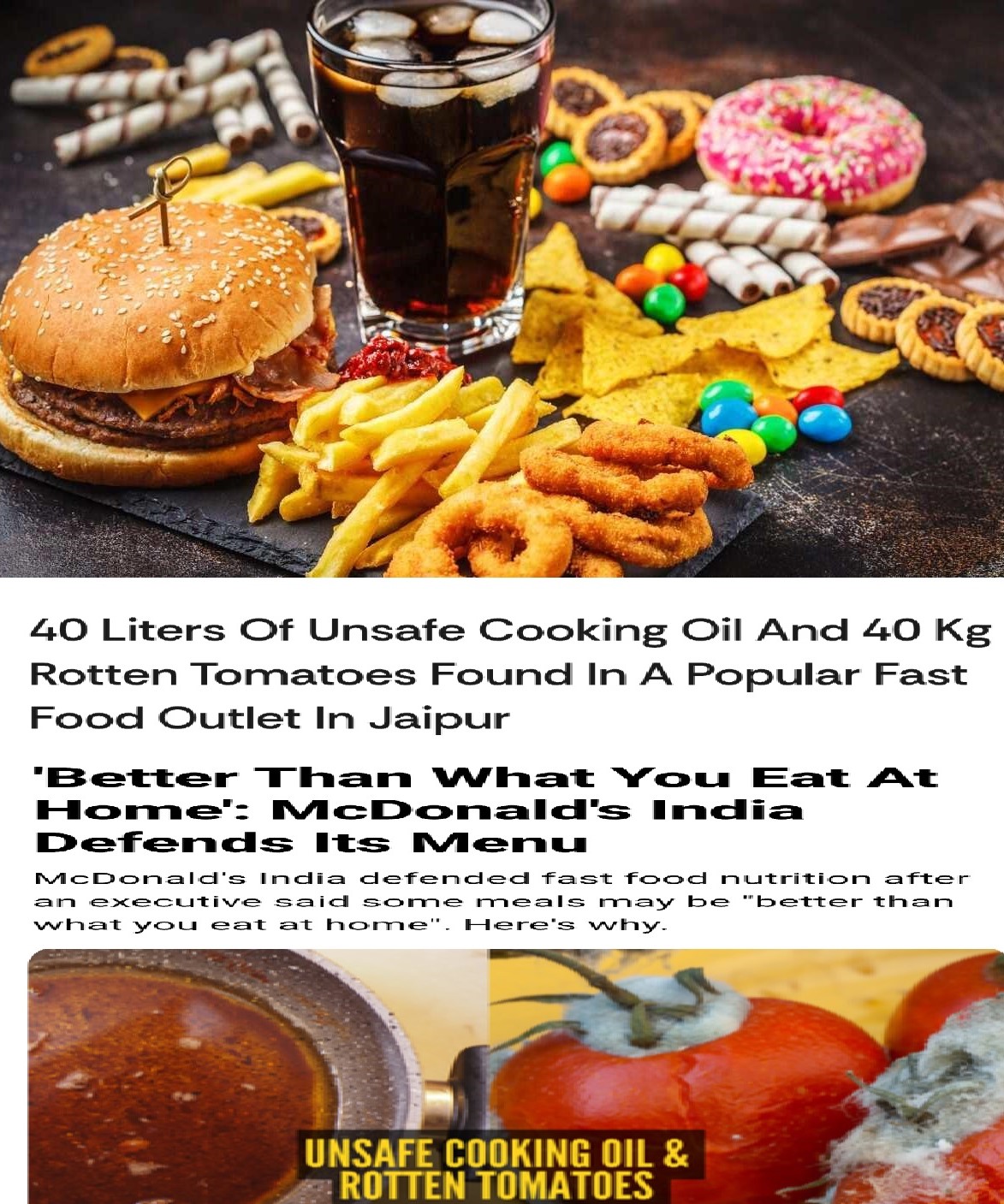
And now, some food industry executives are publicly suggesting that fast food may be “better than what you eat at home.”
That statement should deeply concern every Indian family.
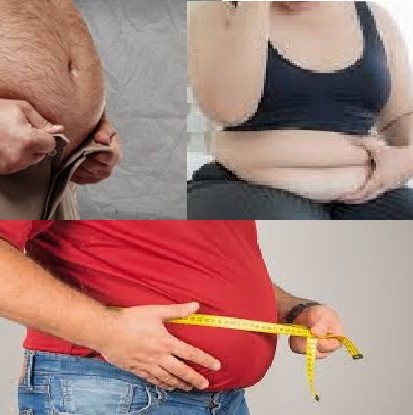
Because India is no longer dealing with junk food as an occasional indulgence. We are witnessing a full-scale dietary shift that is accelerating obesity, diabetes, fatty liver disease, hypertension, and premature heart attacks in younger populations.
The most dangerous part is this:
many people consuming these foods still believe they are eating “normally.”
Ultra-processed foods, often called UPFs, are not simply foods that are processed. They are industrially engineered products made using substances rarely found in a home kitchen:
preservatives, emulsifiers, artificial flavors, stabilizers, refined starches, industrial oils, and multiple forms of hidden sugar.
These foods are specifically designed to:
- increase shelf life
- trigger cravings
- encourage overconsumption
- reduce natural fullness
- create repeat eating behavior
This is why you can stop after one homemade roti but struggle to stop after one packet of chips.
India’s food landscape has changed dramatically over the last two decades.
Research mapping the Indian market identified 81 ultra-processed food items across 23 categories. The most common include:
- chips and namkeens
- biscuits and cookies
- instant noodles
- sugary beverages
- packaged breads
- frozen snacks
- processed cheese spreads
- sweetened dairy drinks
- ready-to-eat packaged foods
- fast-food meals
Sales of ultra-processed foods in India increased from approximately USD 0.9 billion in 2006 to nearly USD 38 billion by 2019.
This explosion is being driven by:
- aggressive advertising
- convenience culture
- reduced cooking time
- urbanization
- food delivery apps
- rising disposable income
Traditional Indian diets built around fresh vegetables, lentils, fermented foods, curd, fruits, millets, and home-cooked meals are increasingly being displaced by industrial food formulations.
The cardiovascular consequences are no longer debatable.
A growing body of evidence now links high UPF consumption to:
- obesity
- type 2 diabetes
- hypertension
- fatty liver disease
- elevated LDL cholesterol
- chronic inflammation
- coronary artery disease
- stroke
- premature cardiovascular death
Recent cardiovascular reviews reported that adults with the highest intake of ultra-processed foods had up to a 19% higher risk of heart disease and up to a 65% higher risk of dying from cardiovascular disease.
This is not merely about calories.
It is about metabolic disruption.
The body responds very differently to industrial food formulations than it does to natural food. Many ultra-processed foods are rapidly absorbed, create glucose spikes, alter gut microbiota, increase inflammation, and impair the body’s natural satiety mechanisms.
Over time, this creates the perfect biological environment for insulin resistance and vascular disease.
One of the biggest problems is that many harmful ingredients are hidden behind complicated labels.
Here are some warning signs consumers should learn to identify.
1. Sugar Hidden Under Multiple Names
Food companies often disguise sugar using different terms such as:
- glucose syrup
- fructose syrup
- maltodextrin
- dextrose
- maltose
- invert sugar
These ingredients rapidly spike blood sugar and increase cravings, contributing directly to insulin resistance and abdominal fat accumulation.
2. Sodium Overload
Packaged snacks, soups, instant noodles, frozen foods, sauces, and fast foods often contain extremely high sodium levels.
Excess sodium chronically elevates blood pressure and accelerates vascular injury.
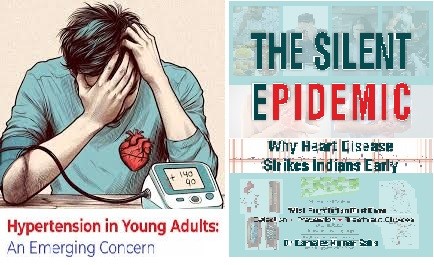
India is already facing an epidemic of uncontrolled hypertension. Ultra-processed foods are worsening it silently.
3. Emulsifiers and Industrial Additives
Recent research has raised concerns about emulsifiers commonly found in processed foods, including:
- E460
- E466
- E471
- E472b
- E472c
- E339
These additives are commonly present in cakes, biscuits, sauces, dairy products, and instant soups.
Emerging evidence suggests they may contribute to gut barrier disruption and increased cardiovascular risk.
4. Nitrites in Processed Meats
Processed meats frequently contain sodium nitrite (E250), which has been associated with elevated hypertension and cardiovascular risk.
Examples include:
- sausages
- salami
- frozen meat products
- processed chicken snacks
- packaged kebabs
These foods are increasingly consumed by younger Indians.
5. Reheated Oils and Trans Fat Damage
One of the most overlooked dangers in Indian restaurants and roadside food outlets is repeatedly reheated cooking oil.
Repeated heating generates:
- trans fats
- oxidized lipids
- inflammatory compounds
- toxic aldehydes
These substances damage blood vessels, worsen cholesterol profiles, and accelerate atherosclerosis.
Many commercial kitchens reuse oil repeatedly for economic reasons.
Your arteries eventually pay the price.
A simple rule can help protect your family:
If a food:
- comes in a shiny packet
- is heavily advertised
- contains ingredients you would never use at home
- has a very long ingredient list
- can be eaten endlessly without producing real fullness
then treat it as an occasional indulgence, not a daily food.
India already carries one of the world’s largest burdens of diabetes, obesity, fatty liver disease, and premature heart disease.
Unlike Western populations, Indians often develop metabolic disease:
- at younger ages
- at lower body weights
- with greater abdominal fat accumulation
- with higher insulin resistance
That means the damage from ultra-processed foods may appear earlier and progress faster in Indian populations.
This is no longer just a nutrition discussion.
It is a national public health emergency.
The solution is not perfection.
The solution is food awareness.
The closer food remains to its natural form, the safer it usually is.
Prioritize:
- fresh home-cooked meals
- traditional Indian foods
- whole fruits
- lentils and legumes
- nuts and seeds
- fresh vegetables
- fermented foods
- minimally processed ingredients
Your heart does not only respond to how much you eat.
It responds to what has been done to the food before you eat it.
What tobacco did slowly over decades, ultra-processed food is now doing much faster through obesity, diabetes, hypertension, fatty liver disease, and premature cardiovascular damage.
The tragedy is that the injury develops silently:
first insulin resistance,
then weight gain,
then fatty liver,
then diabetes,
then a heart attack that appears “sudden.”
But heart disease is rarely sudden.
It is usually manufactured years earlier — meal by meal.
Concerned about your metabolic health? Book a comprehensive screening at our Diabetes and Obesity Clinic to assess your insulin resistance and cardiovascular risk profile.
Author's Note: This article highlights the "silent" nature of heart disease in our country. For a deeper dive into the specific protocols and strategies needed to combat this crisis, refer to my latest book: The Silent Epidemic: Free in Kindle for limited time https://www.amazon.in/dp/B0GX31SSR6
Medical Disclaimer
This content is for educational purposes only and is not a substitute for professional medical advice. Individuals with existing medical conditions or high cardiovascular risk should consult their healthcare provider before starting any new exercise routine.
ARTICLE AUTHOR
Dr Kamales Kumar Saha
Clinician–Leader · Cardiac Surgeon· Preventive Cardiologist · IICA-Certified Independent Director, Author : The Silent Epidemic
Dr Kamales Kumar Saha is a seasoned Clinician–Leader with boardroom judgment, combining deep expertise in cardiac surgery and preventive cardiology with strategic healthcare leadership. His work bridges clinical excellence and patient education— helping patients make informed, sustainable health decisions.
Copyright Notice
© 2026 Dr Kamales Kumar Saha. All rights reserved.
No part of this blog may be reproduced, stored in a retrieval system, or transmitted in any form or by any means: electronic, mechanical, photocopying, recording, or otherwise without the prior written permission of the author, except for brief quotations used in reviews or scholarly references. This book is intended for personal reading only and may not be redistributed, resold, or reproduced in any format without permission.