Think Belly Fat Is Just a Cosmetic Problem? Think Again
Belly fat could be silently damaging your heart, liver, blood sugar, and blood vessels from within.
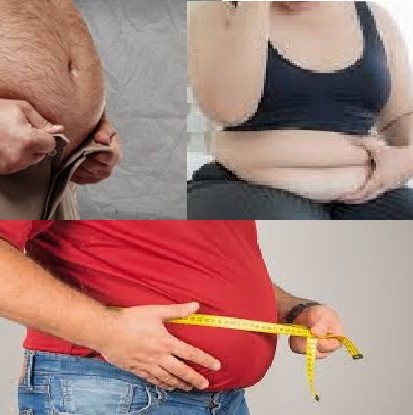
Most people think belly fat is only about appearance. But the truth is far more serious. The fat deep inside your abdomen, called visceral fat, is not just sitting there quietly; it behaves like a highly active, harmful organ.
It surrounds vital organs such as the liver, pancreas, and intestines, releasing chemicals that disturb your metabolism, raise inflammation, worsen cholesterol, and increase the risk of diabetes and heart disease.
The "Thin-Fat" Phenotype: Why Indians are at Higher Risk
What makes this especially dangerous for Indians is that you do not have to look overweight to have high visceral fat. Many people have a “normal” body weight but still carry excess internal fat, a pattern often described as the South Asian thin-fat phenotype. Your BMI may look fine while your metabolic risk is quietly rising.
What Exactly Is Visceral Fat?
Unlike the soft subcutaneous fat you can pinch under the skin, visceral fat is hidden deep inside the belly. Modern endocrinology and cardiology increasingly recognize visceral fat as an active endocrine tissue, one that releases hormones and inflammatory chemicals that damage the body over time.
Why Doctors Call It “Toxic Belly Fat”
One major reason visceral fat is so harmful is the portal effect. Visceral fat drains directly into the portal vein, carrying free fatty acids and inflammatory chemicals straight to the liver. This triggers:
- Insulin Resistance
- Increased Triglycerides
- Systemic Inflammation (IL-6 and TNF-alpha)
How Visceral Fat Triggers a Metabolic Domino Effect
1. It Damages Your Cholesterol Profile
The liver responds to excess fatty acids by producing more triglycerides. This promotes small, dense LDL particles, the dangerous kind that enter artery walls and form soft plaques.
2. It Drives Insulin Resistance and Type 2 Diabetes
Visceral fat interferes with how your muscles and liver use insulin. Eventually, the pancreas can no longer keep up, pushing you toward Type 2 Diabetes.
3. It Pushes Blood Pressure Up
Belly fat contributes to arterial stiffness and vascular dysfunction, leading to hypertension even in individuals who appear lean.
4. It Increases the Risk of Heart Failure (HFpEF)
Newer research suggests visceral fat is a key driver in heart failure where the heart becomes too stiff to fill properly.
The Indian Paradox: Why BMI is Misleading
Many Indians develop fatty liver and diabetes at lower BMI values than Western populations. This is why waist size tells a more accurate story than the weighing scale.
High-Risk Waist Measurements for South Asians:
- Men: More than 90 cm
- Women: More than 80 cm
The Simple Rule: If your waist is more than half your height, your metabolic risk is rising.
How Do You Know If Your Belly Fat Is Dangerous?
The first step is simple: measure your waist. For those with a family history or existing conditions like PCOS or high BP, a complete metabolic evaluation is essential. We may recommend:
- Advanced metabolic blood work
- Body composition review
- Coronary Calcium Scoring or CT Coronary Angiography for high-risk cases.
The Good News: You Can Reverse It
Visceral fat is "metabolically restless," meaning it responds quickly to the right changes:
- Aerobic activity and strength training.
- Reducing sugar and refined carbohydrates.
- Mediterranean-style eating patterns
- Stress and sleep management.
The Real Take-Home Message
Belly fat is a toxic metabolic factory. For Indians, the danger is deceptive because it hides behind a "normal" weight.
Stop asking if you are "overweight." Start asking: "What is my waist trying to tell me?"
At Diabetes & Obesity Clinic, we specialize in uncovering these hidden metabolic risks before they turn into a heart attack or stroke. Early action isn't panic - it’s protection.
Take Control Today
I have translated this growing crisis into a survival guide for the modern Indian. Don't wait for a dramatic sign - the most dangerous signs often look ordinary.
[Read the eBook on Amazon India: https://www.amazon.in/dp/B0GX31SSR6]
Stop postponing your health. While you are building your career, your heart is keeping score.
Medical Disclaimer
This content is for educational purposes only and is not a substitute for professional medical advice. Individuals with existing medical conditions or high cardiovascular risk should consult their healthcare provider before starting any new exercise or treatment routine.
ARTICLE AUTHOR
Dr Kamales Kumar Saha
Clinician–Leader · Cardiac Surgeon· Preventive Cardiologist · IICA-Certified Independent Director, Author : The Silent Epidemic
Dr Kamales Kumar Saha is a seasoned Clinician–Leader with boardroom judgment, combining deep expertise in cardiac surgery and preventive cardiology with strategic healthcare leadership. His work bridges clinical excellence and patient education— helping patients make informed, sustainable health decisions.
Copyright Notice
© 2026 Dr Kamales Kumar Saha. All rights reserved.
No part of this blog may be reproduced, stored in a retrieval system, or transmitted in any form or by any means: electronic, mechanical, photocopying, recording, or otherwise without the prior written permission of the author, except for brief quotations used in reviews or scholarly references. This book is intended for personal reading only and may not be redistributed, resold, or reproduced in any format without permission.