The MASALA Study: Why Your Heart Risk Is Different
5 Indian superfoods can help support your cardiovascular future.
If you’re a new patient walking into a preventive health check-up clinic for the first time, there’s one thing I want you to know:
Being “thin” does not automatically mean being safe.
I say that with care, because so many South Asians grow up believing the opposite. “I’m not overweight.” “I’m vegetarian.” “I don’t eat junk every day.” And yet, the blood sugar is creeping up. The triglycerides are high. The waistline is a little stubborn. The scan shows fatty liver. Sometimes, the first real warning comes far too late.
That’s exactly why the MASALA Study matters. It has helped explain what many of us in clinical practice have been seeing for years: South Asians often develop heart and metabolic risk earlier, at lower body weights, and in ways that standard screening can miss. (Source Source)
The myth of the “healthy” BMI
One of the biggest myths I have to break for patients is this: a normal BMI does not guarantee a healthy metabolism.
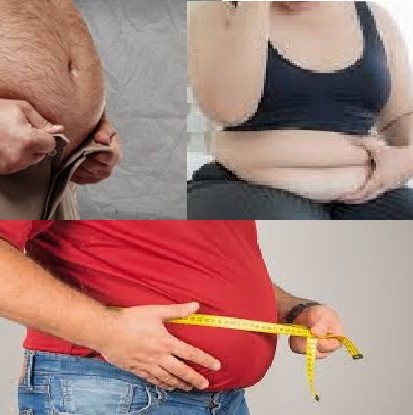
Many South Asians carry more visceral fat and ectopic fat—the dangerous fat stored around organs like the liver and heart—even when they don’t “look overweight.” At the same time, they may have lower lean muscle mass. So the scale says one thing, but the metabolism says another.( Source Source)
This is the so-called “thin-fat” phenotype. You can look fine in a shirt and still have a body that is quietly building insulin resistance, inflammation, fatty liver, and arterial plaque.
That’s why I never want my patients to feel falsely reassured by appearance alone. When it comes to South Asian heart risk, what is hidden often matters more than what is visible.
What the MASALA Study changed for us
The MASALA Study : short for Mediators of Atherosclerosis in South Asians Living in America—is the first long-term U.S. study focused specifically on understanding heart disease risk in South Asians. And its findings are too important to ignore. (Source)
For example, one analysis found that by age 45, South Asian men had a prediabetes prevalence of 30.7%, compared with 3.9% in White men. South Asian women also showed a much earlier rise in metabolic risk than many other ethnic groups. (Source)
Another important finding: South Asian men showed greater progression of coronary artery calcium (CAC) than Chinese, Black, and Latino men—meaning the silent buildup of plaque in the arteries may move faster than many people realize. (Source)
So if you’ve ever wondered, “Why am I being told to screen early when I don’t even look unhealthy?” : this is why.
Why South Asians need earlier, smarter screening
For South Asians, heart disease is often not just a cholesterol story.
It’s a metabolic story.
It begins with insulin resistance. It deepens with visceral fat. It gets accelerated by fatty liver, high triglycerides, post-meal glucose spikes, poor sleep, chronic stress, and sometimes a family history that loads the gun early.
That means we cannot rely on a Western template and hope for the best. We need earlier screening, better metabolic assessment, and a more honest conversation about risk—even in people who seem “healthy” on the surface.( Source Source)
And here’s the encouraging part: while our risk may be unique, so is our cultural food wisdom.
The “Desi” defence starts in your own kitchen
I’m a big believer in this: before we chase expensive imported “superfoods,” we should respect what has been sitting in our kitchens for generations. I
Let me be clear : these are health boosters, not pill replacements. They support the bigger picture. They do not replace proper diagnosis, medication when needed, or structured treatment.
But yes, when used intelligently, they can become part of your protection plan.
1) Amla: the small fruit with a big vascular benefit
Amla is one of the simplest things I recommend because it fits beautifully into a South Asian lifestyle. It is naturally rich in vitamin C and polyphenols, and research suggests it may help improve lipid markers and support endothelial function—the health of the inner lining of your blood vessels. Source
It’s not glamorous. It’s not imported. It’s just powerful.
2) Turmeric + black pepper: your anti-inflammatory duo
If inflammation is the fire that damages arteries over time, turmeric is one of the oldest tools we have to help cool it down.And when turmeric is combined with piperine from black pepper, its absorption increases dramatically, which is why that pairing matters so much. Source
3) Fenugreek: the glucose governor
If there is one pantry ingredient that deserves more respect in people with insulin resistance, it’s methi. Fenugreek has been shown to improve several markers of glycemic control, including fasting blood glucose and HbA1c, and may also help support a healthier lipid profile. (Source)
.
4) Garlic: the humble heart helper
Garlic doesn’t need a rebrand. It just needs more respect. Clinical research suggests garlic preparations can help lower blood pressure, particularly in people who already have hypertension. (Source)
5) Flaxseeds: the vegetarian omega-3 backup plan
Flaxseeds are one of the best plant-based sources we have, and evidence suggests flaxseed supplementation may improve lipids, blood pressure, inflammation, and glycemic markers. Source
A very important warning: superfoods are support, not treatment
This is where I need to be very direct.
Please do not read this article and think, “Wonderful, I’ll just take turmeric and amla and skip my tests.”
That is not the message.
Superfoods can support your cardiovascular future. They cannot replace proper medical therapy, targeted weight loss, glucose control, blood pressure management, lipid correction, or advanced screening.
And if you are on blood thinners, diabetes medications, or other prescription treatment, always discuss dietary changes and supplements with your doctor first.
What I want every “Healthy” indian to understand
If you are South Asian, your body may develop cardiovascular risk on a different timeline.
You may become prediabetic earlier.
You may store dangerous fat at a lower weight.
You may carry risk that your BMI does not reveal.
And you may need action long before symptoms appear.
That is not bad news.
That is useful news.
Because once you understand your biology, you stop guessing. You stop relying on appearance. You stop waiting for a warning sign. And you start doing the right things early.
That is how heart protection really begins.
My message to you today
Don’t wait for symptoms.
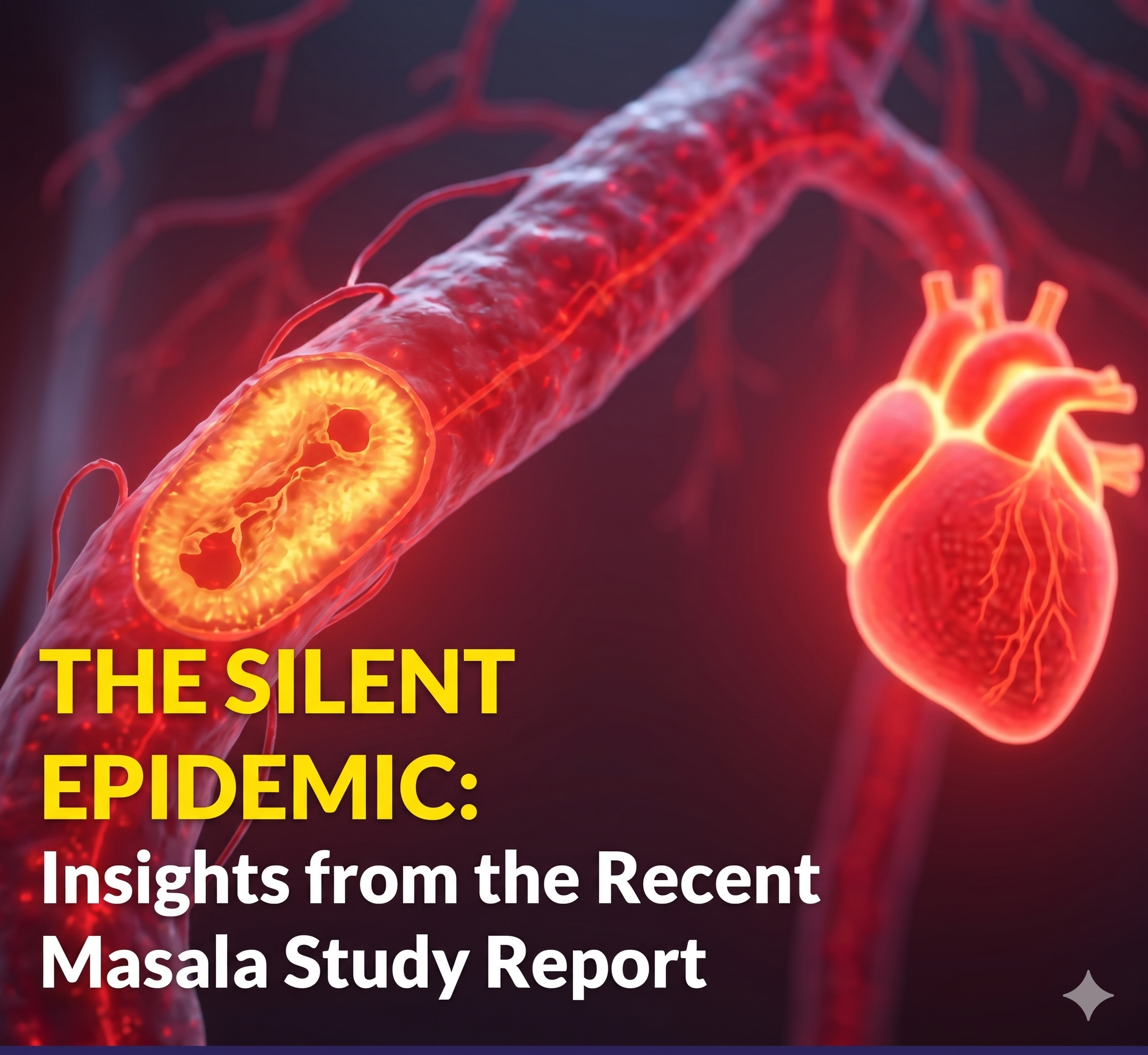
And if you want the full practical guide to protecting yourself with smarter South Asian-specific strategies, download my new e-book, The Silent Epidemic.
Your heart risk may be different.
But your future is still very much in your hands.
Author's Note: This article highlights the "silent" nature of heart disease in our country. For a deeper dive into the specific protocols and strategies needed to combat this crisis, refer to my latest book: The Silent Epidemic: Free in Kindle for limited time https://www.amazon.in/dp/B0GX31SSR6
Medical Disclaimer
This content is for educational purposes only and is not a substitute for professional medical advice. Individuals with existing medical conditions or high cardiovascular risk should consult their healthcare provider before starting any new exercise routine.
ARTICLE AUTHOR
Dr Kamales Kumar Saha
Clinician–Leader · Cardiac Surgeon· Preventive Cardiologist · IICA-Certified Independent Director, Author : The Silent Epidemic
Dr Kamales Kumar Saha is a seasoned Clinician–Leader with boardroom judgment, combining deep expertise in cardiac surgery and preventive cardiology with strategic healthcare leadership. His work bridges clinical excellence and patient education— helping patients make informed, sustainable health decisions.
Copyright Notice
© 2026 Dr Kamales Kumar Saha. All rights reserved.
No part of this blog may be reproduced, stored in a retrieval system, or transmitted in any form or by any means: electronic, mechanical, photocopying, recording, or otherwise without the prior written permission of the author, except for brief quotations used in reviews or scholarly references. This book is intended for personal reading only and may not be redistributed, resold, or reproduced in any format without permission.